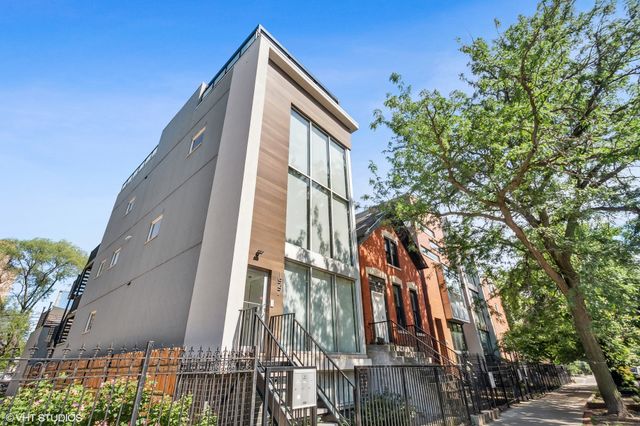
BRRRR means Buy, Rehab, Rent, Refinance, Repeat. It's a real estate investing strategy in which an investor purchases a residential or commercial property, renovates it, leases it out, re-finances the residential or commercial property for its brand-new appraised worth, and then duplicates the process for brand-new residential or .
This method allows financiers to leverage the equity of one residential or commercial property to buy extra residential or commercial properties.
Key Steps
Buy - This is the first step where a financier determines and acquires a below-market value residential or commercial property needing renovations.
Rehab - After purchasing the residential or commercial property, it is renovated and improved to increase its market price considerably and satisfy the standards set by the rental market.
Rent - Once rehabilitation is total, the residential or commercial property is leased to tenants, and this provides a new stream of monthly earnings for the financier.
Refinance - After the residential or commercial property has actually been leased, investors can refinance it. The objective is to find a mortgage that will change the preliminary funding for purchasing and rehabilitating the residential or commercial property. The goal is to recuperate most or all the initial financial investment.
Repeat - Once the residential or commercial property has actually been refinanced and the original financial investment recouped, the procedure begins all over once again with another residential or commercial property. Thus, the acronym - BRRRR.
Importance
The BRRRR method is a necessary method in property investing for several factors. Primarily, it enables financiers to develop a perpetual cycle of investing, essentially preserving the potential for constant returns.
Investors purchase a residential or commercial property, normally listed below market worth, then increase its worth through repairs and upgrades.
Once it's fixed up, they rent it out to gain income. Refinancing with a mortgage allows them to secure the invested capital, which they can utilize to buy another residential or commercial property and repeat the procedure.
The BRRRR approach is important because it supplies a structured and efficient method for taking full advantage of roi while possibly growing an investor's property portfolio.
BRRRR Calculator
We motivate you to use our calculator below if you have an interest in exploring this investment technique. It is a valuable tool for computing the possible return on investment when using the BRRRR method on a residential or commercial property of interest.
View DealMachine's BRRRR Calculator
Explanation of the BRRRR Method
The Buy, Rehab, Rent, Refinance, Repeat (BRRRR) method is a popular strategy in genuine estate investing that allows investors to maximize their roi by leveraging their existing rental residential or commercial property financial investments.
Named after the 5 actions associated with the process, the strategy involves buying an under-valued residential or commercial property, improving it through cost-effective rehabilitation, renting it out to occupants at a higher rate, and then re-financing to recuperate the preliminary investment capital.
The recovered funds can then be used to duplicate the process with brand-new residential or commercial properties.
The primary purpose of the BRRRR strategy is to develop a cycle of investment that lets a financier grow their real estate portfolio without requiring to input large quantities of their own capital continually.
By enhancing the value of the residential or commercial properties through targeted restorations, investors can increase the rental yield and the residential or commercial property's total worth.
The refinancing step enables genuine estate financiers to extract the equity created through this worth boost, which can be reinvested into the next project.
Thus, the BRRRR approach supplies a self-reliant design for consistent real estate investing.
Examples
Here are three real-world examples:
Example 1:
A financier might purchase a run-down residential or commercial property in an excellent neighborhood at substantially less than market value. After purchasing the residential or commercial property, the financier will rehab the home, upgrading the cooking area and restrooms and enhancing the curb appeal.
Once finished, they will look for to rent the residential or commercial property out, charging fair market rent. Following a successful appraisal, they might refinance the residential or commercial property with a long-lasting loan and pull out many of their preliminary investment.
Example 2:
A real estate financier purchases a multi-family residential or commercial property. The residential or commercial property remains in alarming requirement of repair work, so the investor puts in some sweat equity and perhaps hires a specialist to bring the residential or commercial property back to life. After the restoration, the investor rent all the units, producing a consistent earnings stream.
After a duration, they re-finance to recover their initial investment and continue the procedure with the next residential or commercial property.
Example 3:
An investor spots an outstanding offer for a little business residential or commercial property. They purchase and rehab the residential or commercial property, then rent it to a local company. After business is flourishing and the financier is getting routine lease payments, they re-finance the loan utilizing the increased value of the residential or commercial property.
They now utilize this surplus capital for the next offer, repeating the process.
In all of these cases, the BRRRR technique enables investor to recycle their preliminary investment throughout numerous residential or commercial properties, expanding their portfolio without needing enormous quantities of capital.
The BRRRR Method vs. Traditional Property Investing
While similar, the BRRRR approach has some key differences compared to conventional property financial investment method.
Traditional Property Investing:
Traditional property investing typically involves acquiring a residential or commercial property to create rental earnings or sell it for an earnings.
Here are some characteristics of standard property investing:
Residential Or Commercial Property Acquisition: Investors determine residential or commercial properties based on various requirements such as area, market patterns, money circulation capacity, and gratitude prospects. They frequently count on their own funds or funding choices like mortgages to acquire the residential or commercial property.
Renovation and Management: The financier may select to renovate the residential or commercial property to increase its value or make it more appealing to prospective occupants or purchasers. They then manage the residential or commercial property, deal with occupant relations, and address upkeep and repair requirements.
Capital and Appreciation: The primary incomes in standard genuine estate investing are rental payments and residential or commercial property gratitude with time. Investors goal to create favorable cash flow after accounting for expenditures such as mortgage payments, residential or commercial property taxes, insurance, and maintenance costs.
Exit Strategy: Investors might hold the residential or commercial property long term, generating ongoing rental income and gaining from gratitude. Alternatively, they can sell the residential or commercial property to understand the built up equity and potential profits.
Key Differences of BRRRR:
Risk and Effort: The BRRRR approach normally involves more active involvement, including finding distressed residential or commercial properties, handling restorations, and occupant selection. Traditional property investing can be less hands-on if financiers choose to entrust residential or commercial property management duties.
Capital Requirements: The BRRRR method typically requires less initial capital since a portion can be taken out through refinancing. Traditional realty investing may require more in advance capital or access to funding choices.
Cash Flow: The BRRRR method intends to create favorable cash circulation by renting out residential or commercial properties. Traditional realty investing likewise concentrates on money flow however might focus on long-lasting gratitude and possible equity development. Some may consider this passive earnings.
Benefits and drawbacks of BRRRR Method
Increased Capital: By purchasing distressed or underestimated residential or commercial properties, restoring them, and leasing them out, the BRRRR technique aims to generate positive capital. This can offer financiers with continuous earnings and the prospective to reinvest in extra residential or commercial properties.
Forced Appreciation: Through the rehab phase, investors have the opportunity to increase the worth of the residential or commercial property substantially. Renovations and improvements can cause a higher appraised worth, permitting investors to construct equity and potentially understand gratitude upon refinancing or selling.
Leverage: The BRRRR method permits financiers to utilize their preliminary investment capital. By re-financing the residential or commercial property based upon its increased value, investors can take out a significant part of their preliminary financial investment, which can be used to get additional residential or commercial properties and accelerate portfolio development.
Portfolio Building: The BRRRR method's repetitive nature enables investors to recycle their capital into new residential or commercial properties continually. This technique makes it possible for the steady growth of a realty portfolio, offering financiers with increased diversity and prospective wealth accumulation.
Risk Mitigation: By acquiring residential or commercial properties below market price and including worth through renovations, investors can lower the risk associated with paying too much for residential or commercial properties. Additionally, positive money flow from rental income can assist balance out holding expenses and potential market changes.
Increased Effort and Time: The BRRRR technique requires considerable hands-on participation, from recognizing distressed residential or commercial properties to supervising renovations and handling renters. It can be time-consuming, particularly for investors who have other commitments or limited experience in construction and residential or commercial property management.
Market Risk: Realty markets can experience variations, and the success of the BRRRR method depends on residential or commercial property values increasing over time. If residential or commercial property worths decline or rental need decreases, it may affect the ability to refinance or generate positive capital.
Renovation Challenges: Rehabilitating residential or commercial properties can come with unexpected challenges, such as budget plan overruns, construction hold-ups, or unexpected repairs. Investors must have a strong understanding of building and construction costs and potential problems to alleviate threats during the rehab process. Financing Limitations: Depending on the investor's monetary situation, obtaining funding for the acquisition and remodelling phases can be difficult. Lenders may have more stringent requirements for distressed residential or commercial properties, and financiers might need to explore alternative funding alternatives or utilize their own capital.
Market Saturation: The BRRRR approach's appeal has increased competition for distressed residential or commercial properties in some markets. Finding ideal residential or commercial properties at a reduced price may become more difficult, possibly reducing the availability of appealing investment chances.
Alternatives to BRRRR Method
Buy and Hold:
The buy and hold strategy includes purchasing a residential or commercial property with the objective of holding it for a prolonged duration, typically to generate rental earnings and gain from long-lasting appreciation.
Key features of this approach include:
- Residential Or Commercial Property Selection: Concentrate On residential or commercial properties with strong cash circulation capacity and development potential customers.
- Residential or commercial property Management: Either self-manage the residential or commercial property or employ a professional residential or commercial property management business to deal with day-to-day operations.
- Income Generation: Collect rental earnings to cover expenses and potentially realize long-lasting gratitude.
Flipping:
Flipping involves buying a residential or commercial property below market value, renovating it rapidly, and offering it for a profit. This strategy requires active involvement and an eager eye for recognizing undervalued residential or commercial properties.
Key elements consist of:
- Residential Or Commercial Property Acquisition: Look for distressed residential or commercial properties that can be bought at a reduced rate.
- Renovations: Make targeted improvements to increase the residential or commercial property's worth.
- Timing: Efficiently total restorations and offer the residential or commercial property to optimize earnings.
- Marketing Research: Stay notified about regional market patterns to determine profitable turning opportunities.
REIT Investments:
Real Estate Investment Trusts (REITs) enable investors to own shares in an expertly handled realty portfolio. This option provides diversification and passive income without the need for direct residential or commercial property ownership.
- Investment Flexibility: Select from various kinds of REITs, such as property, business, or industrial, based upon your financial investment objectives.
- Liquidity: REITs are traded on stock exchanges, allowing financiers to buy or offer shares reasonably quickly.
- Professional Management: REITs are handled by experienced professionals who handle residential or commercial property acquisition, leasing, and maintenance.
Real Estate Crowdfunding:
Investors can pool their funds with others to buy realty projects through the use of property crowdfunding platforms. This method offers opportunities to access a wider range of realty financial investments with lower capital requirements.
Key features include:
- Diversification: Buy multiple jobs throughout various places, residential or commercial property types, and investment methods.
- Access to Deals: Gain access to residential or commercial properties that may have been challenging to find or buy separately.
- Risk Management: Evaluate crowdfunding platforms, job information, and the background of sponsors to mitigate danger.
Rental Residential Or Commercial Property Partnerships:
Partnering with other financiers or people can be an alternative to the BRRRR technique. This technique enables you to pool resources, share duties, and invest in residential or commercial properties jointly.
Key factors to consider include:
- Partnership Agreement: Define functions, responsibilities, and profit-sharing arrangements through a well-structured partnership agreement.
- Complementary Skills: Look for partners with complementary skills or know-how to improve the financial investment's success.
- Clear Communication: Establish open and transparent communication channels to ensure efficient decision-making and management.
How to Find Distressed Properties
Finding distressed residential or commercial properties for the BRRRR approach requires a mix of research study, networking, and tactical techniques. Here are some approaches you can utilize to find a distressed financial investment residential or commercial property:
Online Listings and Platforms:
Utilize online property listings and platforms that focus on distressed residential or commercial properties.
They supply details on foreclosures, bank-owned residential or commercial properties, and residential or commercial properties cost auctions.
Real Estate Agents and Wholesalers:
Develop relationships with realty agents who concentrate on financial investment residential or commercial properties or distressed sales. They might have access to off-market offers or understand residential or commercial properties in pre-foreclosure or short-sale circumstances.
Similarly, wholesale financiers can provide leads on distressed residential or commercial properties they have sourced.
Direct-mail Advertising and Marketing:
Create targeted direct mail projects or marketing materials to reach out to distressed residential or commercial property owners. This can include sending letters or postcards to owners in pre-foreclosure, tax delinquency, or those with ended listings.
Clearly communicate your intent to buy and use options to their distressed situation.
City Government and Public Records:
Research public records, such as tax records, to determine residential or commercial properties with delinquent taxes or liens.
Contact the local federal government workplaces responsible for taxation or residential or commercial property evaluations to ask about distressed residential or commercial properties or upcoming auctions.
Networking and Word of Mouth:
Attend local real estate networking occasions, join financier groups, and develop connections with other realty specialists.
Networking can result in recommendations and insights into distressed residential or commercial properties that may not be widely understood.
Driving for Dollars:
Physically drive through neighborhoods or target areas trying to find signs of distressed residential or commercial properties. Try to find signs of neglect, overgrown yards, boarded-up windows, or uninhabited residential or commercial properties.
Bear in mind of these residential or commercial properties and carry out more research to determine their status.
Online Research and Social Network:
Use online resources and social networks platforms to research distressed residential or commercial properties. Explore websites, online forums, and social networks groups devoted to realty investing or distressed residential or commercial properties.
Engage in conversations, consult, and ask about possible leads.
Auctions and Short Sales:
Attend public auctions or brief sales where distressed residential or commercial properties are frequently offered. These events might supply chances to acquire residential or commercial properties at reduced rates.
Research the auction procedure, guidelines, and procedures beforehand to ensure you comprehend the requirements and dangers involved.
Frequently Asked Questions(FAQ)
Q1: What does BRRRR mean in genuine estate investing?
A1: BRRRR represents Buy, Rehab, Rent, Refinance, Repeat. It's a popular strategy in genuine estate investing where a financier purchases a distressed residential or commercial property, refurbishes it, leases it out, refinances the mortgage, and then repeats the process.
Q2: How does the BRRRR strategy work?
A2: The BRRRR technique involves primarily 5 steps: you Buy a residential or commercial property at a discount, Rehab it to raise its value, Rent the residential or commercial property to occupants, Refinance to a long-lasting loan, and then Repeat the procedure with another residential or commercial property.
Q3: What are the advantages of utilizing the BRRRR strategy?
A3: Among the lots of advantages, the BRRRR technique permits an investor to recycle their initial investment into multiple residential or commercial properties, develop a portfolio without requiring vast amounts of capital, and potentially achieve substantial capital development and rental income.
Q4: How can I refinance in the BRRRR approach?
A4: After fixing up and renting the residential or commercial property, a financier can approach a bank or financing institution to re-finance based on the new, increased value of the residential or commercial property. This might release up the initial financial investment to be utilized on the next residential or commercial property.
Q5: Just how much experience is needed to begin utilizing the BRRRR approach?
A5: While it's not a requirement to have comprehensive experience in realty investing to utilize BRRRR, comprehending the principles of residential or commercial property assessment, rehabilitation expenses, and residential or commercial property management is highly advantageous.
Q6: Does the BRRRR method have any drawbacks?
A6: Yes, like any financial investment method, BRRRR has potential risks. These may include unpredicted restoration costs, market danger, vacancies, or problem in re-financing if the renovated residential or commercial property does not appraise for the preferred worth.
Q7: How do I select a residential or commercial property for the BRRRR method?
A7: It is very important to search for residential or commercial properties acquired listed below their prospective market value, in a preferable location for renters, and those that require sufficient rehab to increase their value substantially however not a lot that the costs exceed the advantages.
Q8: Can BRRRR be used for both property and commercial residential or commercial properties?
A8: Yes, the BRRRR technique can be used to both domestic and industrial residential or commercial properties. However, the majority of beginners begin with residential properties due to familiarity and lower entry costs.
Related Terms
- Refinance: This term represents the "R" in BRRRR and describes replacing an existing mortgage with a brand-new one to secure better terms or additional funds.
- Rehabilitation: Another crucial part of the BRRRR technique, rehab describes the repair of a residential or commercial property to a good or better state of repair work.
- Rental Management: This management manages the maintenance and renting of a residential or commercial property, an integral part of the BRRRR strategy after purchase and rehab have actually occurred.
- Cash Flow: In the context of BRRRR, cash circulation describes the income created from the rental residential or commercial property after all expenditures (consisting of mortgage payments) have actually been represented. - Equity: It's the difference between the marketplace worth of the residential or commercial property and any outstanding loans or liens on it. In BRRRR, financiers intend to develop equity by purchasing and remodeling residential or commercial properties listed below their market price.
Sources for More Information
Investopedia.
Real Estate Investing
About David Lecko
David Lecko is the CEO of DealMachine. DealMachine assists real estate investors get more deals for less money with software application for lead generation, lead filtering and targeting, marketing and outreach, and acquisitions and personalities.
